


 |
Note from Chair |
As I reflect on my first year as Chair of Windermere’s Board, I do so with great pride, gratitude and optimism for the future. Having joined the Board in 2017 and served for four years as Chair of the Service & Enterprise Risk Advisory Committee, I have long admired Windermere’s deep commitment to improving lives, supporting families and strengthening communities. Stepping into the role of Chair in November 2025 has only deepened that admiration.
I want to acknowledge and sincerely thank Gary Castricum for his outstanding seven years as Chair. Gary’s leadership was steady, thoughtful and generous, guiding Windermere through significant change, growth and complexity. His contribution has left a strong foundation for those who follow, and I am personally grateful that he has agreed to continue serving on the Board. His experience, wisdom and ongoing commitment remain of great value to Windermere and to me as I settle into this role.
This year has been one of continued focus and momentum. The Board has considered important matters across service quality, financial sustainability, digital transformation, risk appetite, strategic planning and the changing environment in which community service organisations operate. In every discussion, I have been encouraged by the shared commitment of Board and Advisory Committee members to good governance, careful stewardship and, most importantly, the people and communities Windermere exists to support.
I also want to thank my fellow Board members for the confidence they have placed in me. Taking on the Chair role is both a privilege and a responsibility, and I am fortunate to be surrounded by people who bring such generosity, skill and purpose to their volunteer roles. I also extend my sincere thanks to Lynette, the Executive and all Windermere staff, whose passion and professionalism continue to make Windermere such a trusted and impactful organisation.
As Lynette retires at the end of June, we warmly welcome Jenny McNaughton as CEO and, with such a strong team around her, I have no doubt she will lead Windermere with great success.
It is with this knowledge, I am excited by Windermere’s capacity to keep adapting, learning and leading. Our purpose remains clear, and our commitment to making a meaningful difference in the lives of those we support remains as strong as ever.
Malcolm Bailey
Chair
 |
Note from CEO |
Jenny McNaughton
Chief Executive Officer
 |
Note from former CEO |
After 13 years at Windermere, it’s almost impossible to capture what this organisation has meant to me in just a few words. So much has changed over that time in our community, in our sector, and within Windermere itself. What has remained constant, though, is our purpose and the extraordinary commitment of the people who bring it to life every day.
I am proud of many things. I am proud of the way Windermere has responded when our community has needed us most – through environmental disasters, crisis, reform and uncertainty. I am proud of our willingness to reimagine practice, to keep strengthening the way we work, and to support people not only through services, but through capacity building, connection and genuine care. I am proud that we have continued to invest in systems, evidence, digital capability and better ways of making decisions, so that our work is informed, thoughtful and purposeful.
What I will carry with me most is not only what we have achieved but also the people I have had the privilege to work alongside. Windermere is full of dedicated, intelligent and courageous people who are prepared to have a go, learn, adapt and keep showing up for the communities we serve. To those I have worked most closely with, you know who you are, and I simply say thank you. To everyone across Windermere, thank you for your commitment to our purpose and for the difference you make.
I also want to thank the Board for the faith and trust they have placed in me, for allowing me to get on with the job, and for helping expand our thinking and strengthen good governance.
I leave Windermere deeply grateful for the experience and confident in its future. I know Jenny will do a marvellous job as CEO, and I personally wish her every success.
Dr Lynette Buoy
Former Chief Executive Officer
In the 2025-26 financial year we supported
 26,0155
children, families and individuals through our services in the areas of






Thank you for all of your help and time and effort (and your patience) you have put in to help me over what feels like years. You have been like a lighthouse when I have felt very lost and I really can’t thank you enough.

My support worker was absolutely wonderful. She was helpful and beyond caring and kind. Couldn’t have gotten through it without her.

I was well supported and felt in control of what supports I needed and received.

My son made a real connection with our support worker who made him feel safe, strong and able to take on some of life’s challenges.

My support worker has been a dream. The care and thought she puts into the kids in her care is next level. I would recommend her to anyone and everyone.
Our Strategic Plan has continued to be a cornerstone of our purpose and vision, guiding our strategic direction and operational priorities. As the current plan comes to an end in 2026, it has been extended for an additional year to enable us to continue this important work and build on the progress made to date. Through an evidence-informed approach, we remain focused on delivering meaningful outcomes for the individuals, families and communities we support under the themes of:




Recovery following a natural disaster does not follow a set timeline. Long after the immediate impacts of a disaster, many individuals, families and communities continue to face challenges as they rebuild their lives. Throughout the year, we continued to support people affected by disasters through our recovery support and enhanced intake services, helping them navigate what is often a long and complex journey. Through strong partnerships with local councils, community organisations and government agencies across Victoria, we worked alongside communities to ensure support remains available.
One of the most significant outcomes this year was the extension of bushfire recovery funding until June 2027, allowing support to continue for people and communities still feeling the impacts of disaster. This provided greater certainty for those accessing services, enabling them to continue receiving assistance as they progressed through their recovery journey, rather than continuing their recovery journey alone.
During the year, our recovery teams supported residents across the state in more than 25 Local Government Areas. Behind the scenes, strong financial stewardship helped ensure services remained sustainable. The program maintained an operating surplus, allowing resources to be managed effectively while continuing to deliver vital support to communities. This financial stability strengthened our ability to respond to future needs, helping ensure support remains available when people need it most.
We also continued to strengthen how we support through ongoing staff development, improved response times and a focus on delivering a positive experience for people accessing support.
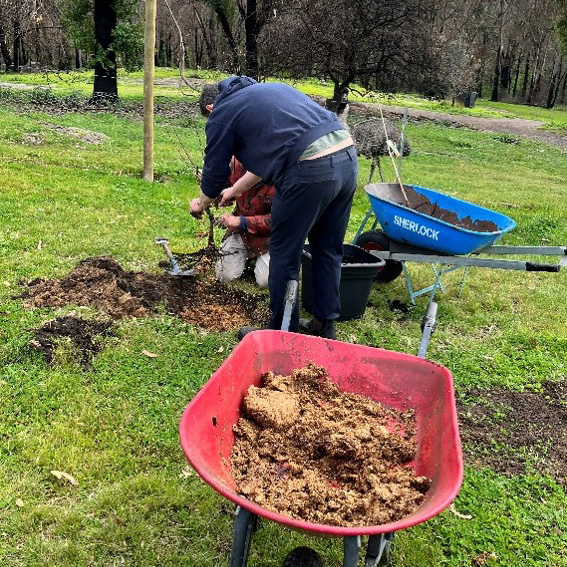
Cultivating hope, renewal and growth after loss
For Clarissa and her husband Ned, navigating their bushfire recovery journey, including cleanup efforts and securing essential grants were challenging enough. * They lost outbuildings, fencing, crops, their caravan and tractor deeply impacting many aspects of the life they had built together over the past ten years. While the financial loss was significant, losing their beloved orchard affected Clarissa the most.
She had spent many hours caring for her orchard and she longed to see it come to life again. It was evident that having her orchard back would bring her renewed hope and support her mental wellbeing. We connected Clarissa with GIVIT, a platform that connects donors with charities. As a result, a generous donor gifted a bunnings voucher which contributed towards restoring her orchard. Clarissa was deeply moved by the generous offer.
“Someone thought our orchard was important to us. It was really touching and their generosity made a big difference.”
After hearing about her losses, the local orchard where she purchased apple trees from, donated an additional number of trees -- a reminder that she was not facing her recovery journey alone. Clarissa and Ned also accepted a referral to a local Emergency Recovery Support Program to help them continue their recovery journey. While restoring and rebuilding continues, Clarissa feels that her connection with Windermere has helped her feel supported, connected and validated.
*Names and details have been changed to protect privacy
Across our NDIS services, we continued to focus on delivering consumer-centred support that helped individuals and families make informed decisions, build their confidence and achieve their goals. Improvements to practice, systems and service delivery were all guided by a simple objective: creating a better experience and better outcomes for the people we support.
In addition, our disability icon continues to support greater inclusion and representation by acknowledging the diverse range of visible and invisible abilities and conditions that shape individual experiences of disability for our consumers and NDIS participants.

During the year, we also launched a dedicated NDIS and disability sub-brand, introducing new branding for our Plan Management, Support Coordination and Early Intervention & Therapy Services. The new identity made these services easier to recognise and navigate, helping individuals, families and referrers more clearly identify the support they need. The branding was introduced across brochures, digital resources and website content, creating a more consistent and accessible experience across our NDIS services.
Throughout the year, our Plan Management team strengthened, documented and embedded key processes, creating greater consistency across the service and supporting high-quality practice. This work helped improve accuracy and compliance with NDIS regulations and guidelines to help ensure the individuals and families we support received up to date and personalised support.
We also continued to strengthen our partnership with our Customer Relationship Management (CRM) vendor, proactively enhancing the product through increased automation and functionality features to support quality and compliance.
Through monthly budget expenditure monitoring and regular check ins the individuals and families we support gained more confidence and control over their plans. Our ongoing focus on consumer-centred practice also contributed to strong consumer retention and positive experiences.


Support Coordination continued to help people connect with the services, supports and opportunities that enabled them to live the life they choose. During the year, the development of new workflows and guidance for our Support Coordination Consumer Response team streamlined key processes and strengthened consistency across the service.
This meant a smoother onboarding experience, clearer communication and more efficient support from the very beginning of a participant’s journey with Windermere. By reducing administrative burden and improving coordination behind the scenes, Support Coordinators were able to spend more time focused on helping people navigate challenges and work towards their goals.
More children and families were able to access high-quality therapy and early childhood intervention support this year through the Department of Education's Continuity of Supports program, helping ensure children in our region received support when and where they needed it.
A significant milestone was the commencement of our Practitioner Coaching Framework into Early Intervention & Therapy Services. Rather than focusing solely on resolving immediate concerns, the coaching approach supported parents and caregivers to build practical skills, confidence and strategies to best assist their child and family in everyday activities.
By strengthening the capability of families themselves, the benefits extended beyond individual appointments. Families were supported to recognise challenges, problem-solve and respond to future situations with greater confidence, creating lasting positive outcomes for children and those who care for them.
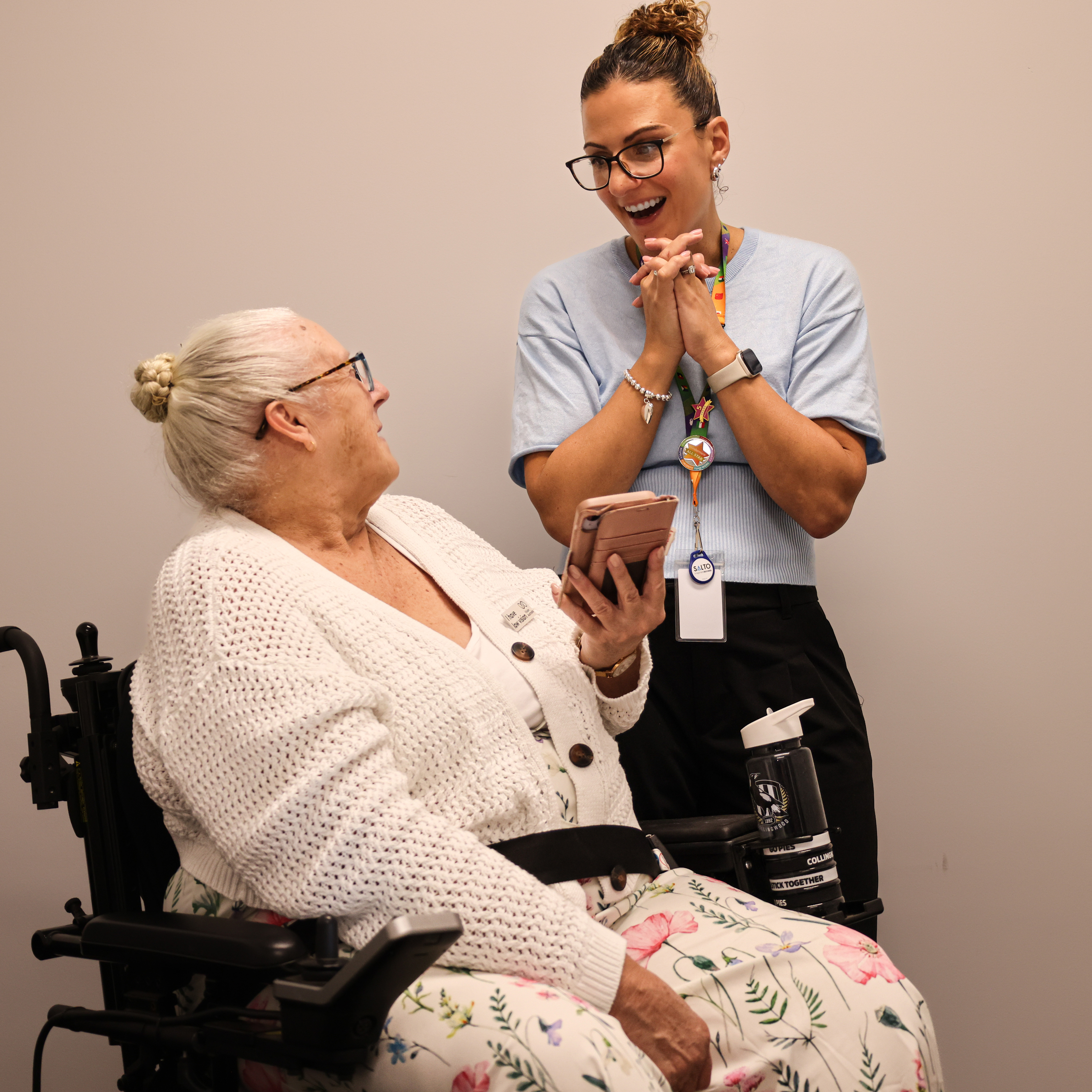
“My plan manager has been my backbone.”
Over five years ago, Kerry began her NDIS journey for her daughter Charly who has downs syndrome and low vision.
“When my daughter first started her NDIS plan, it was so very stressful to the point I was in tears. I couldn’t find the right guidance,” says Kerry.
That was until Kerry signed up with Windermere Plan Management. Charly’s plan manager Olga, organises payments to providers, helps Kerry keep track of NDIS funds and spending, and provides monthly statements. These are among a range of financial administration tasks that Kerry no longer has to worry about.
“It’s very intense dealing with all that. I want Charly’s support workers and carers to be paid on time and efficiently. That’s why I signed up for plan management,” she says.
For Kerry, it’s more than having the hassle of paperwork taken out of her hands. As Windermere offers a dedicated plan manager, Kerry could finally turn to someone she could rely on to understand the NDIS.
“My plan manager is very knowledgeable about the NDIS. I know if I speak to her, everything will be sorted.”
Olga also ensures funds are allocated appropriately and managed effectively. This expertise helps Kerry manage any risks of overspending.
“She updates me on how we are travelling financially, and if there’s anything that we need to keep an eye on,” she adds.
Kerry also values that her plan manager checks in periodically.
“She’s very caring. She’ll send a text to touch base. Over the years, she has been a backbone for me,” says Kerry.
Every child deserves the opportunity to grow up in a safe, supportive and connected community. Through Communities for Children (CfC) Cranbourne, we worked alongside local organisations, schools and community members to strengthen the support available to children and families, helping create the conditions for children to thrive. As a place-based initiative, CfC is shaped by the needs and strengths of the local community, ensuring support is relevant, accessible and responsive to local families.
In 2025-26, CfC reached more children, parents and caregivers than in any previous year. Through increased access to support, improved community participation and greater equity in service reach for priority cohorts, more families were able to engage with services and activities designed to support children and family wellbeing.
One of the year's highlights was the launch of the first Voice of the Child project, endorsed by the City of Casey. The initiative enabled children and young people to share their perspectives on issues that affect them, ensuring their voices informed community programs, services and decision-making. By creating meaningful opportunities for children to be heard, we helped build communities that are more inclusive, responsive and child-focused.
Families and community members also benefited from workshops partially delivered by leading child psychologist Dr Michael Carr-Gregg, who shared practical strategies to support children's wellbeing and build resilience. These sessions provided parents and carers with practical strategies, insights and resources to support the wellbeing and resilience of children and young people.


Importantly, the program continued to reach a diverse range of community members, including Aboriginal and Torres Strait Islander families, people with disability and culturally diverse communities. Participation across these groups exceeded program targets and, in some areas, reflected engagement levels above local population benchmarks, demonstrating the program's ability to connect with families who may otherwise face barriers to accessing support and opportunities in their local community.

Every family deserves to feel safe, supported and empowered to create positive change. Through our Integrated Family Services (IFS) program, we worked alongside children, young people and parents facing complex challenges, helping them build on their strengths and create safer, healthier family environments.
During the year, the team strengthened their practice through training in the Safe & Together™ model, an internationally recognised framework that improves responses to Family Violence. This evidence-based approach focuses on understanding perpetrator behaviour patterns, supporting the safety and wellbeing of children and adult survivors and improving accountability for those using violence. Research shows the model helps keep children safely connected with their protective parent, while also equipping practitioners to work more effectively with the whole family. Through this training, the team enhanced their ability to provide more coordinated, child-centred and survivor-focused support for families experiencing Family Violence.
A key achievement this year was the introduction of a father-focused practitioner, enhancing the service's capacity to engage and support fathers. The role provided tailored pathways for fathers to access support, promoting stronger family relationships and greater involvement in their children's lives. This dedicated focus helped ensure families received more inclusive support that recognised and built on the valuable contribution fathers make to children's development and wellbeing.
Together, these initiatives helped ensure children and families received support that was focused on safety, relationships and long-term wellbeing, helping build the foundations for positive and lasting change.
People experiencing family violence, sexual assault, trauma or homelessness often face multiple and interconnected challenges. In 2025-26, we strengthened the integration of our Family Violence, Family Violence Counselling, Sexual Assault and Homelessness services, creating a more connected experience for our community and reducing the need to navigate multiple services separately.


By bringing specialist expertise together, people could access coordinated support that responded to their individual circumstances, whether they needed assistance finding safe accommodation, counselling to process trauma, support reporting sexual assault or help navigating complex family violence situations. This integrated approach helped ensure people received the right support at the right time, while reducing barriers to accessing services.
During the year, our counsellors strengthened their understanding of specialist family violence practice and deepened connections with the specialist sexual assault sector through SASVIC membership. Alongside greater collaboration between family violence, counselling and homelessness services, these improvements strengthened the support available to people experiencing family violence, sexual assault and related trauma.
For people affected by sexual assault, this included tailored support and practical assistance with navigating reporting processes when required. The integration of services also supported collaborative initiatives such as the Healthy Women Healthy Relationships program, co-facilitated by a Family Violence Case Manager and Counsellor.


For individuals and families experiencing housing insecurity, the integration of homelessness services with specialist family violence, sexual assault and therapeutic support created more seamless pathways to assistance.
Our involvement in the South East Homelessness and Housing Alliance (SEHHA), together with the appointment of a Senior Practitioner, further strengthened our ability to support those who needed it most as they worked towards safety, stability and recovery.

For young mothers experiencing homelessness, family violence or significant life challenges, having a safe place to live can make a life-changing difference. Our Mums & Bubs program continued to provide young mums and their babies with medium-term accommodation, along with the support and guidance they needed to work towards long-term independence.
During the year, a review of the program reinforced the value it provides to young mothers and highlighted the strong commitment resident mums had to creating positive outcomes for themselves and their babies. Towards the end of the year, the recruitment of a dedicated Mums & Bubs worker helped ensure each mum continued to receive support tailored to their individual circumstances and goals.
One of the program's greatest strengths was its focus on sustainable outcomes beyond a resident's time at the house. As rising housing costs continued to create challenges for young families, Mums & Bubs supported residents to explore safe and sustainable housing options. For some mums, shared accommodation proved to be an important stepping stone, providing an opportunity to establish rental history, build confidence and take the next step towards independence.
When Chaya migrated to Australia with her partner Neil and their 18-month-old daughter Anya, it marked the beginning of a journey with untold risks, danger and isolation.
In Australia, Chaya relied on Neil heavily as she couldn’t communicate in English well.
Neil took every opportunity to control her life, her actions and her choices. He would make appointments for psychological assessments on her behalf and attempted to build a narrative that Chaya was mentally unfit.
After one of his failed attempts at the doctor’s, Neil became enraged and turned on Chaya, demanding that she leave the house. He locked the bedroom door so Chaya couldn't retrieve her belongings.
“I had nowhere to go, no money, no ID and only the clothes I was wearing. And I couldn’t leave my daughter.” says Chaya.
A desperate Chaya attempted to break the lock on the bedroom door while Neil called the police.
It wasn’t the first time that Neil had called the police on Chaya and it soon became evident that she needed their help. This time Neil was removed from the home. When Chaya was referred to Windermere, she received support to seek legal protection.
“My support worker always explained to me what was happening to me and I didn't feel like I was alone here in Australia,” she says.
Chaya slowly began to find her strength and stand up to her abuser. It only made him angrier.
“He told me he was going to come and kill me. I was scared,” says Chaya.
She turned to her Windermere support worker who quickly reached out to Safe Steps. A taxi was sent to Chaya and Anya to take them to an undisclosed location, just as Neil was making his way to them. The quick response meant Chaya and Anya could escape unharmed.
Once they moved into a transitional home,we helped with Anya’s school enrolment and school supplies, so she could go back to school.
Neil continued to make attempts to gain back control, taking Chaya to the Family Law Court. Windermere linked Chaya with legal services so that she had free legal representation.
Finally, we found a new long term housing opportunity for Chaya and Anya, through Women’s Property Initiatives. Importantly, Windermere also ensured a CCTV security system was in place at the new house.
After picking up Anya after a supervised visit, Chaya realised they had been followed home. The CCTV cameras helped trace the vehicle back to Neil. He could no longer risk being spotted near Chaya’s home.
Neil became the subject of a new police investigation and it sent him into hiding. Soon the news arrived that he had passed away.
Finally free to move forward with her life, Chaya is determined to teach her young daughter Anya to become strong and independent. After obtaining her driving licence she purchased her very own car. Chaya also gained her Australian citizenship.
She now attends a community centre to learn English and dedicates her time to social groups.
“I want to help people like my support worker does. I’d like to be able to give back to others who need help,” she says.
During the year, we continued to strengthen the systems and frameworks that support safe, compliant, and consumer-centred services.

The completion of the Consumer Consultation Framework in December 2025 marked an important step in strengthening how consumer voices are heard and used across the organisation. As part of the broader Consumer Centricity Framework, it will support more consistent consumer input into planning, governance, service improvement and decision-making.
We transitioned to a new incident reporting system, including updated tools, documentation, responsibilities and processes. This system will improve the accuracy and completeness of incident data, providing greater visibility of trends, emerging risks and recurring themes. This will enable us to translate findings into meaningful service improvements and better outcomes for our community.
The NDIS mid-term audit provided an opportunity to review evidence, reflect on current quality and safeguarding practices and identify areas for improvement. While results are pending, the process has reinforced our focus on keeping consumers at the centre of all we do.
Collectively, these initiatives ensure that quality improvement is not just a process, but a driver of better experiences, stronger outcomes and lasting value for consumers.
During 2025-26, we strengthened how consumers, communities, supporters and service teams connected with our organisation through more purposeful communication, improved accessibility and stronger consumer engagement.

A new organic social media strategy was launched with the goal to increase our reach and engage people in our community, providing them with valuable resources, information and support. Our content focused on education, culture, promotion and community connection. Refreshed brand guidelines, brand awareness campaigns, TikTok launch, NDIS sub-brand launch and improved office signage have also supported a more consistent and recognisable experience across communication channels and physical spaces.
The consumer centricity research project provided valuable insights into the needs, preferences and expectations of consumers. These findings are helping shape the redevelopment of our website, with a focus on accessibility, ease of use and making information easier to find. They also informed plans for future consumer consultations, ensuring people with lived experience continue to play an important role in shaping how we communicate and improve our services.
The rollout of Marketing and Consumer Champions across teams in the organisation improved brand consistency, strengthened collaboration and created clearer pathways for sharing consumer insights and communication needs.
Fundraising communications also improved through more tailored engagement with donors, reduced physical mailouts and the addition of communication preferences on the donation form. These changes support a more respectful donor experience and stronger long-term supporter relationships.
Together, this work is helping create clearer communication, stronger engagement and more accessible ways for consumers, communities and supporters to connect with us.



Families rely on Family Day Care educators to provide safe, high-quality care that supports their children's development and wellbeing. During the year, we strengthened support for educators to help ensure families continued to have access to quality local care.
We realigned our structure to enhance support for our educators and ensure consistent and proactive Field Officer practices. The appointment of a Senior Field Officer also created clearer opportunities for guidance, onboarding support, professional development and day-to-day support for educators and team members.
We also strengthened our focus on building educator capability in business practices, advertising and enquiry management. These improvements contributed to increased enrolment levels and a more responsive enquiry process, helping more families access the care they need for their children.
To support quality and compliance, we updated processes to align with new regulatory requirements, including expectations relating to device usage, safe sleep and child centric practices. Alongside the introduction of a digital platform for Educators to support ease of access to important policies, risk assessments, forms, training and professional development and service updates. Together, these changes strengthened our educator network and supported a more consistent, capable and sustainable service for educators, children and families.
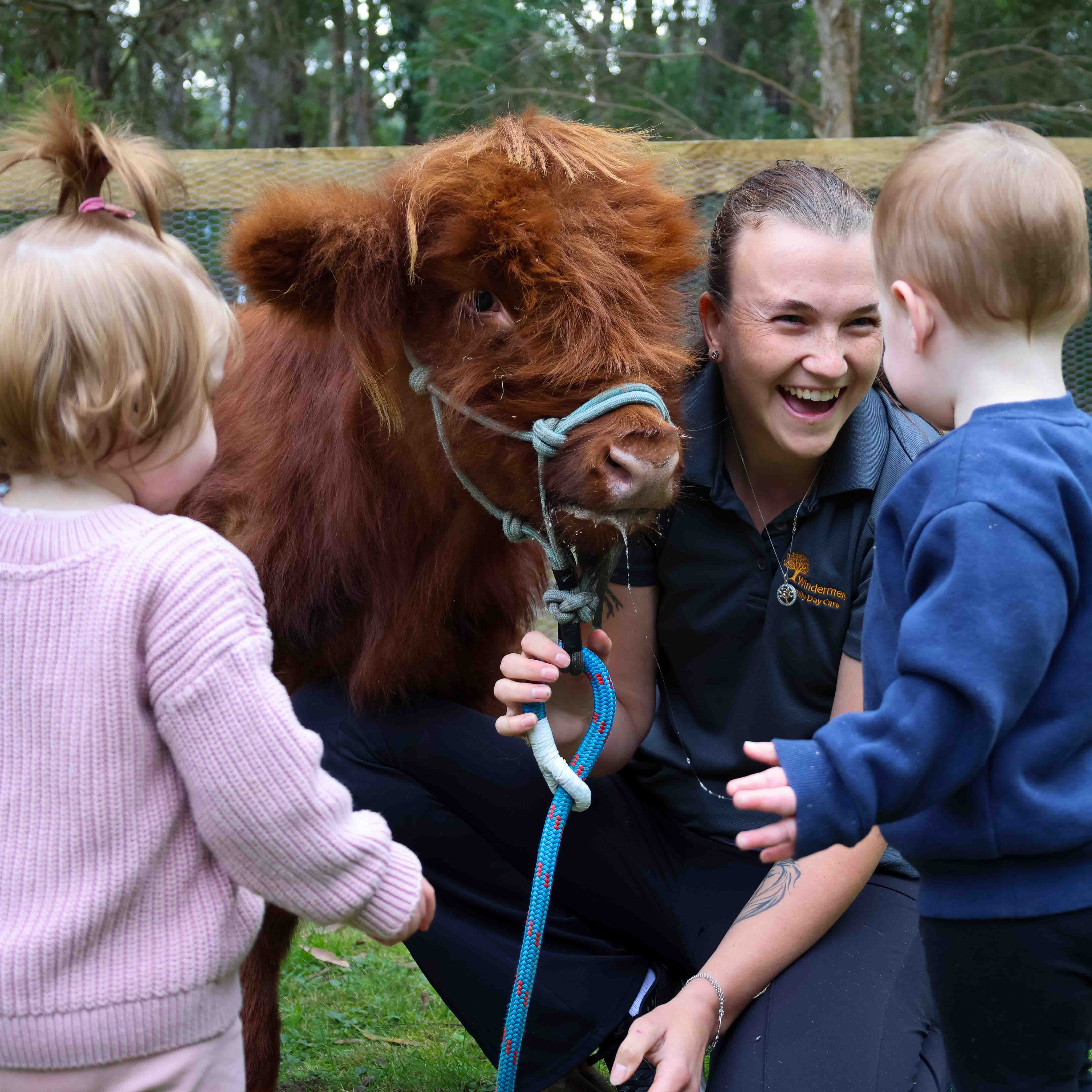
“I don’t know what we would have done if we didn’t have that support.”
For Family Day Care educator Caroline, a workplace accident changed everything in an instant.
After fracturing her shoulder in two places, Caroline faced a long recovery journey that kept her away from work for nine months. Alongside the physical challenges came concerns about maintaining financial stability and managing the practical demands of recovering from a serious injury.
As a registered Family Day Care educator with Windermere, Caroline was supported through WorkCover from the moment the accident occurred. Windermere’s Family Day Care team acted quickly, arranging emergency assistance, ensuring the children in her care were safe and contacting families on her behalf when she was unable to do so herself.
“I wasn’t in any frame of mind at the time, but the team from Windermere were present to contact the emergency services, get help and contact the parents. Everything was taken care of,” Caroline says.
WorkCover provided income support throughout her recovery, helping Caroline continue to meet everyday expenses while focusing on her rehabilitation. Windermere also guided her through the paperwork and claims process, coordinated support and regularly checked in to ensure she felt informed and supported.
“We still had a mortgage and bills to pay, and we were able to keep up with that because of WorkCover,” Caroline says.
When it came time to return to work, Windermere worked alongside Caroline to create a gradual and manageable transition back to Family Day Care.
“Windermere struck a really good balance as I was preparing to return to work. There was no pressure, only encouragement. And they still check in on me,” she says.
Caroline’s experience highlights the importance of ensuring Family Day Care educators have access to the practical, financial and emotional support they need when the unexpected happens, helping them recover with confidence and continue providing high-quality care for children and families.
The Board invested in our digital capability this year to strengthen the platforms that staff and the people we support rely on every day. For staff, this means easier systems, reduced administration and more time to focus on supporting individuals and families. For those accessing our services, it means smoother interactions, clearer information and a more connected experience.

We embarked on a transformational journey to deliver a Salesforce-based Customer Relationship Management (CRM) system for our NDIS services. It will introduce more modern features, improve staff engagement, reduce process lead times and support a better experience for the individuals and families we support.

The rollout of Microsoft Shifts improved rostering and strengthened compliance within our OSHC service, giving families greater confidence in the reliability and consistency of care their children receive.
In partnership with Capital Transport, we developed our first data warehouse on Microsoft Fabric, paving the way to improve data insights starting with the Finance team.

By leveraging fit-for-purpose technologies, we continued to advance how we do business. SharePoint and OneDrive, for example, delivered improved collaboration and employee experience, while providing the foundations for knowledge management, data governance, insights and AI. We also utilised existing systems such as Fresh Service to enhance organisational incident reporting and management, improving employee experience and reducing reporting administration.
Behind the scenes, we strengthened the way we protect and deliver services to keep information secure. Cyber security training equipped our staff with the skills to spot and avoid risks and our phish-prone score is lower than the industry-average.
The implementation of a Security Incident and Event Management (SIEM) solution and a Security Operations Centre (SOC) provided an additional layer of around the clock protection, strengthening our security capability.
Further strengthening organisational resilience, we implemented a new Cloud 365 and on-premises backup solution. Finally, we continued to mature our practices against the Victorian Protective Data Security Standards (VPDSS), providing greater confidence when securing future government-funded work.
Within the digital team, we strengthened the way we work through clearer and consistent reporting, greater accountability, teamwork and a focus on innovation.
Together, these initiatives strengthened the digital foundations that support Windermere's services today while preparing the organisation for future improvements in areas such as AI, website, intranet, enterprise resource management and more.
We continued to strengthen the evidence and practice foundations that help ensure those we support receive high-quality, consistent and effective support across our services.
A significant milestone was the establishment of our Practice Governance Framework, creating a stronger foundation for quality practice, continuous improvement and accountability across the organisation. This work helps ensure consumers receive support that is informed by evidence, guided by best practice and focused on achieving meaningful outcomes.
During the year, we aligned Enterprise Services to the organisation-wide Theories of Change. Connecting the work of non-consumer-facing teams to the outcomes we aim to achieve for children, families and communities, strengthened shared understanding, organisational alignment and a more coordinated approach to supporting consumers.
We also continued to embed the Practitioner Coaching Framework within Early Intervention & Therapy Services. The coaching approach supports practitioners to work alongside families in ways that build confidence, capability and long-term problem-solving skills, helping create sustainable outcomes that extend beyond individual appointments.
Together, these initiatives strengthened our ability to understand, measure and improve the impact of our services. By building stronger foundations for evidence-informed practice, we are better positioned to continuously improve the support we provide to children, families and communities.
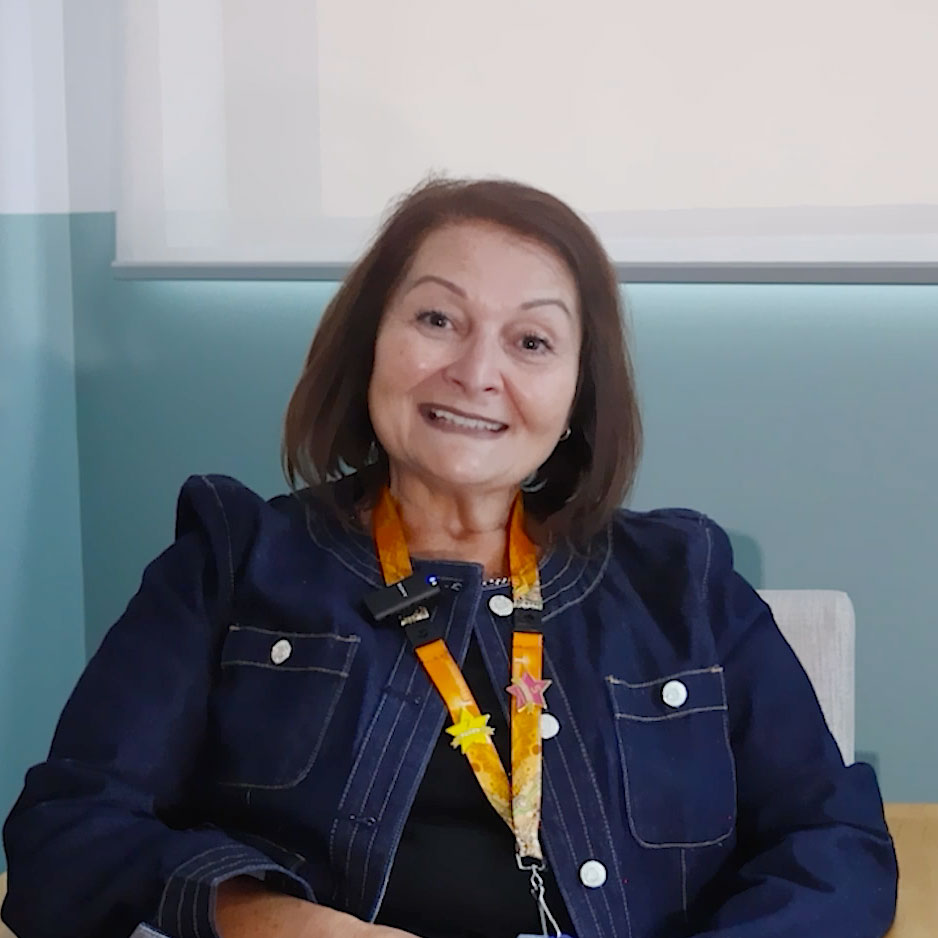
For many years, Windermere supported families facing increasingly complex challenges through a traditional case management approach. While practitioners worked hard to respond to immediate needs, families often returned to services facing the same difficulties, highlighting the need for a different way of working.
In 2017, Windermere partnered with the Parenting Research Centre to redesign its practice model and develop the Practitioner Coaching Framework (PCF), an evidence-informed approach that helps families build the skills, confidence and problem-solving abilities needed to create lasting change.
Marija Dragic, Manager Evidence, Innovation & Practice, says the shift transformed both family outcomes and practitioner experience.
“When we give families solutions, we take away the opportunity for learning,” she explains.
“Families already have solutions to their own challenges. To be truly strengths-based in our approach we must work alongside them to uncover and build those solutions.”
The PCF empowers parents and caregivers to develop their own solutions with the guidance and support of practitioners.
Bringing about this shift also required practitioners to step out of their comfort zones and learn to sit with the discomfort.
“We found that moving to a coaching approach required not only learning new skills but also unlearning deeply embedded ways of working."
And the impact has been significant. Families have reported improved communication, stronger relationships, calmer home environments and increased confidence in managing challenges independently. Practitioners have also experienced greater clarity in their roles, allowing them to focus on building capability rather than carrying responsibility for outcomes.
One family found that addressing a child’s bedtime routine led to broader positive changes, strengthening family relationships, improving confidence and supporting better mental health. These outcomes reflect the core purpose of coaching: creating skills and resilience that continue long after support has ended.
Today, the Practitioner Coaching Framework is embedded across Windermere services and continues to shape the organisation’s vision of helping families build stronger, more confident and fulfilling lives.
Experiencing crime can have a profound impact on a person's sense of safety, wellbeing, and confidence. Through our Victims Assistance Program (VAP), we continued to support victims of crime as they navigate the practical and emotional challenges that often follow a traumatic experience.
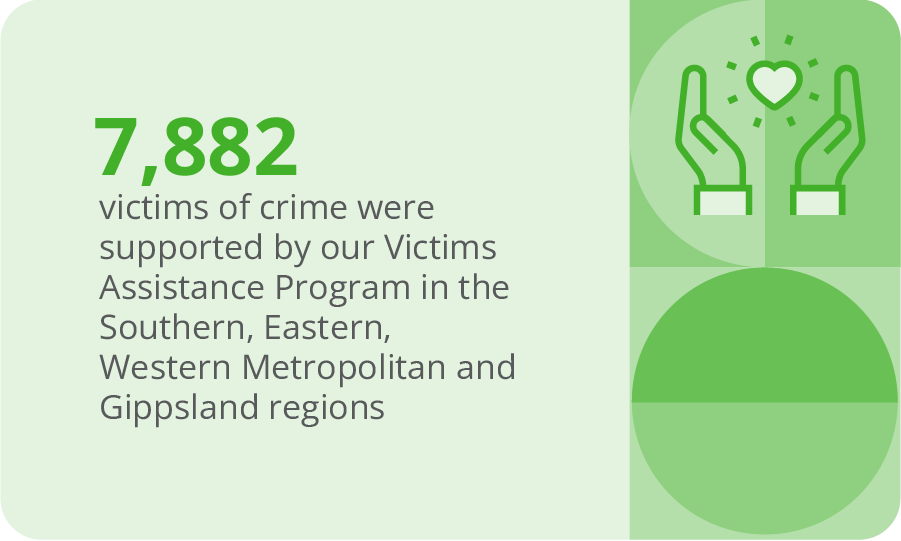
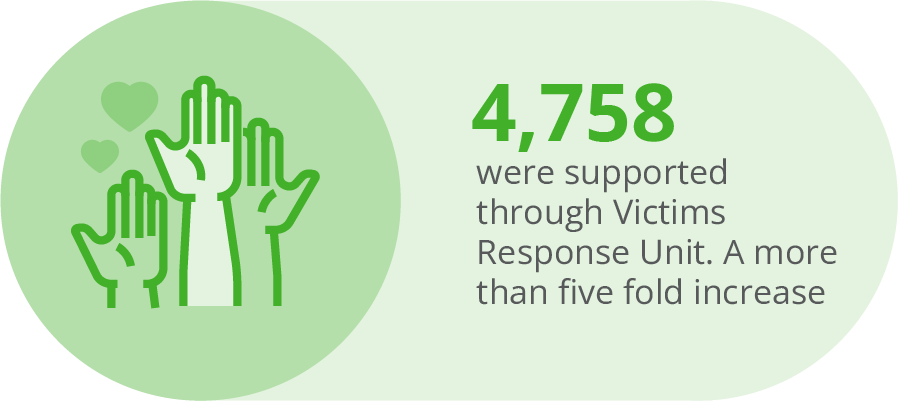
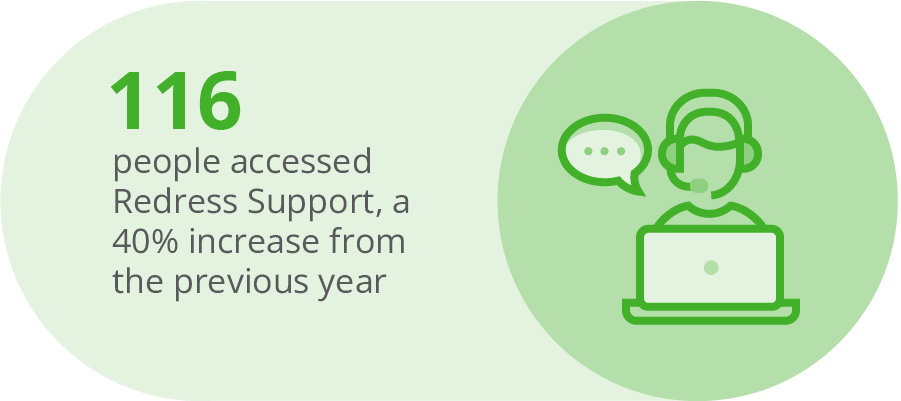
Throughout the year, we have seen an increase in referrals across all four regions. The VAP teams continue to work with key stakeholders to identify system barriers and opportunities for improvement, helping strengthen the way support is delivered to victims. These improvements focused on creating a more responsive and accessible service, ensuring people could receive support in a timely manner and access assistance that reflected their individual circumstances.
As a result, the service continued to improve performance against key service agreement measures, particularly those relating to consumer engagement and access to support. For individuals seeking support, this meant a smoother pathway to assistance during what is often a difficult and overwhelming time.
Importantly, a continued focus on process improvement helped strengthen support, ensuring services remained responsive to the diverse needs of the communities we serve. The positive outcomes achieved throughout the year reflect the program's commitment to delivering timely, consumer-centred support that helps individuals move forward following their experience of crime.
The impact of this work was further recognised through visits from the Victims of Crime Commissioner to several Windermere VAP sites during the year, providing an opportunity to showcase the service and the support being provided to victim survivors across the community.

Following the death of their only daughter in a family violence-related incident, Sonia and Mani faced an unimaginable loss. The incident was witnessed by their eight-year-old grandson, adding another layer of trauma for the family.
Referred to the Windermere’s Victims Assistance Program for priority support, Sonia and Mani received ongoing emotional and practical support, with the help of a dedicated interpreter. They were supported through the police investigation, coronial process and court proceedings, as well as with preparing family impact statements and securing guardianship of their grandson.
The family was also connected with counselling, financial assistance, income support, education and other community services.
Over four years, we remained alongside Sonia and Mani, providing continuity when they needed it most. This support helped them regain stability, feel less isolated and create a safe and secure future for their grandson.
*Details have been changed to protect identity
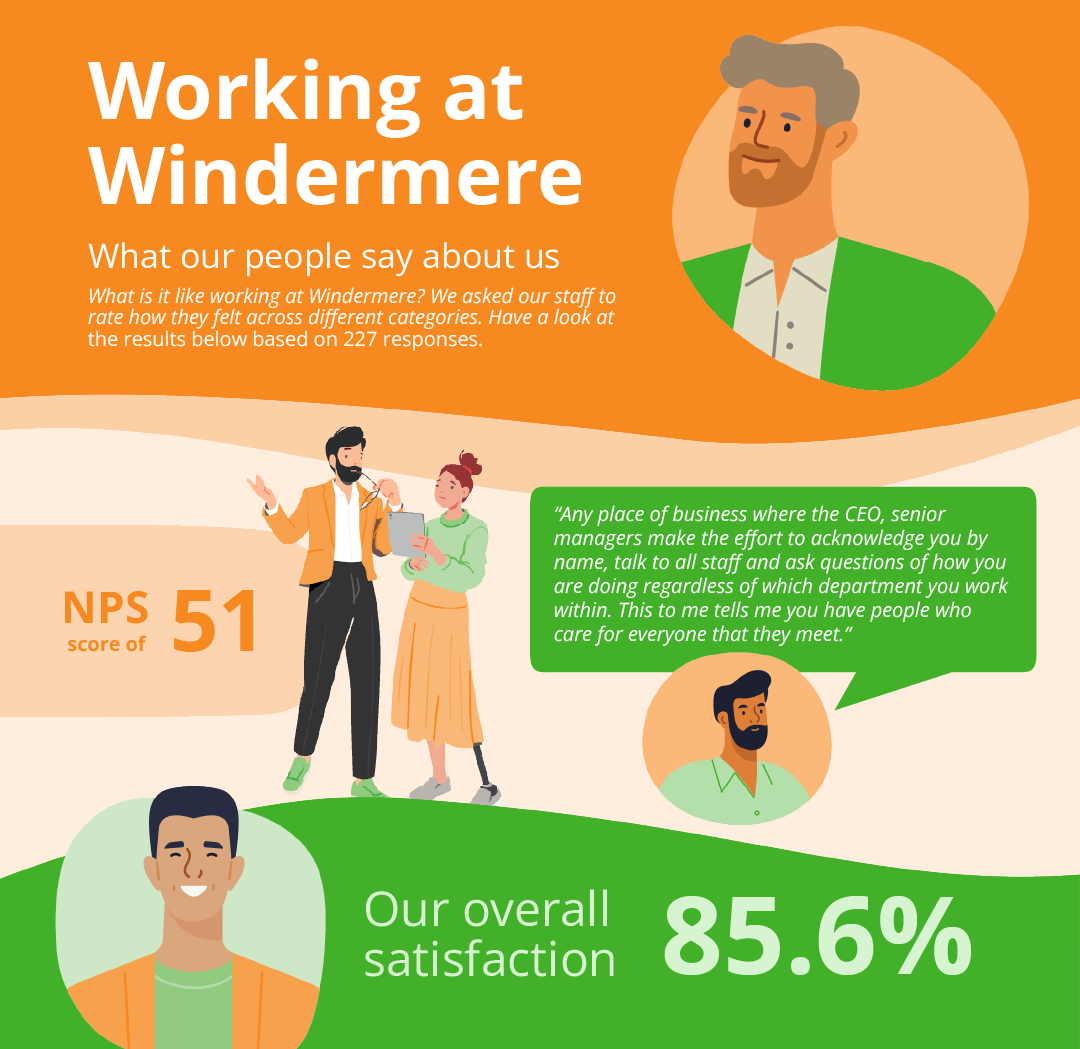
Across 2025–26, we strengthened the systems, learning pathways and inclusive practices that support employees to grow, contribute and deliver better outcomes for consumers. The year combined strong workforce and engagement results with a clear focus on embedding capability, developmental coaching, accessibility, cultural safety and psychosocial risk management.
We continued to strengthen the systems and frameworks that help our people grow, develop and understand how their roles contribute to better outcomes for those we support. FOCUS, our new developmental coaching and goal setting framework introduced a clearer and more consistent approach to performance conversations, goal setting and professional development.
We also embedded the GROW Capability Framework across recruitment, onboarding, role design and learning while our Windermere Academy brought development resources together in one accessible place, supporting a culture of continuous learning. Strong workforce sentiment was reflected in the May 2026 Pulse Survey. These initiatives set the foundation for the next stages of embedding FOCUS and GROW culture through our workforce.
Consumer voice remained a priority throughout the year, including through the 2025 All Staff Forum, where consumers from our NDIS, Homelessness and VAP Programs shared lived experience and reinforced the difference quality support can make.


We strengthened strong learning compliance while improving cyber security reporting behaviours and the recording of discretionary development activities. We also commenced work on implementing our psychosocial hazard management profile prioritising job demands to support a healthier, more sustainable workplace.
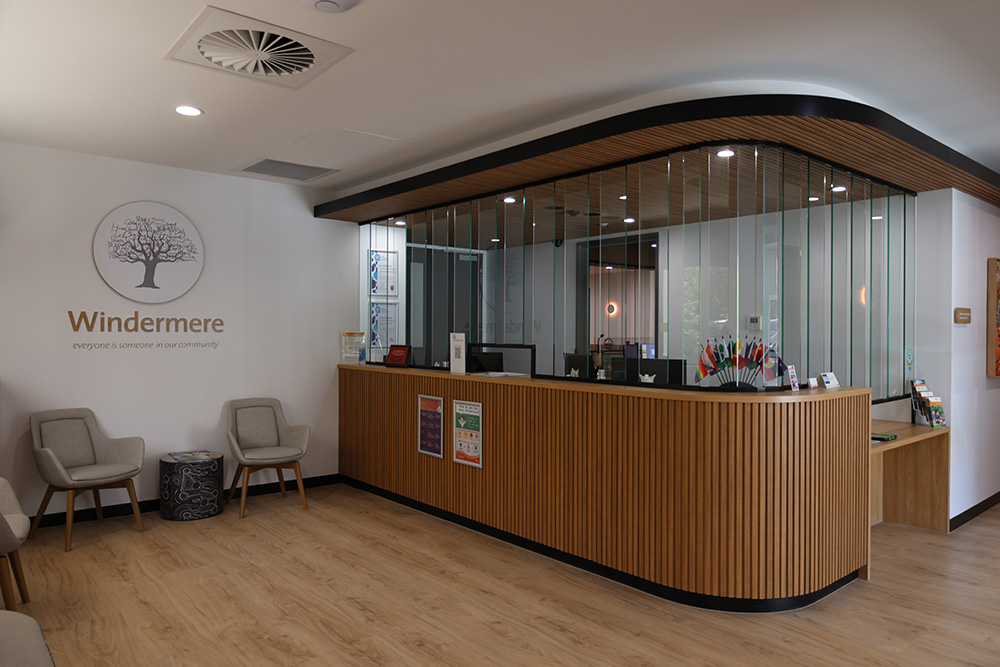
The Property & Administration team continued to create safe, welcoming and sustainable environments that support our people and services across Victoria.
The team established a new co-located office in Morwell for the Gippsland Victims Assistance Program (VAP) team, creating an improved workspace that enhances collaboration, accessibility and service delivery for the local community.
The team also successfully managed the replacement of 11 fleet vehicles, transitioning from petrol-powered vehicles to hybrid models. This investment supports Windermere's sustainability goals by reducing fuel consumption, lowering operating costs and decreasing our environmental footprint.

Our Reception team remained the welcoming face of Windermere, providing friendly, professional and responsive support to consumers, visitors and staff, helping create positive first impressions and ensuring people feel supported from the moment they connect with us.
Through efficient property management, sustainable fleet initiatives and frontline support, the team played a vital role in enabling Windermere's services and strengthening the experience of those who engage with our organisation.
During 2025-26, the Finance team strengthened financial reporting and governance to support better planning, informed decision-making and the sustainability of services across the organisation.
In partnership with ICT, we rolled out month-end financial reporting through Power BI, making financial information more accessible and easier for managers to use. More interactive reporting drove greater engagement with financial data, informed budget discussions and helped managers make better decisions about resources and service delivery.
Strong audit outcomes, including successful completion of the end-of-financial-year and payroll audits with no major findings — reflected effective governance, compliance and internal controls.
The team also coordinated the NDIS Plan Management and Early Childhood Education and Care service audits, demonstrating close collaboration and attention to detail across the organisation.
Following the retirement of a team member, the Finance team maintained full continuity of service. Through process improvements, resource reallocation, and a collaborative approach, we continued to meet every key reporting deadline and statutory obligation without compromising quality.
Together, these improvements ensured that services were backed by strong financial systems, reliable reporting and informed resource planning, supporting sustainable outcomes for the consumers who rely on us.

During 2025-26, our Outside School Hours Care (OSHC) services continued to deliver quality experiences for children and families, supported by skilled educators, strong teamwork and trusted community partnerships.
Assessment and Rating outcomes reflected the capability uplift of our educators, along with our shared commitment to our values and collaboration across services. The Report highlighted our services strength in relation to National Quality Standard 4.1, "staffing arrangements enhance children's learning and development", reflecting strong educator relationships with children, team member support and professional development, comprehensive recruitment and onboarding processes and practices aligned with our values and philosophy.
Feedback also recognised the strength of staff collaboration with educators supported to learn from one another, share expertise and draw on the broader Windermere OSHC network. This helped educators feel connected and supported, even with small service model. This in turn helped strengthen practice and ensure children and families received consistent, high-quality experiences across services.
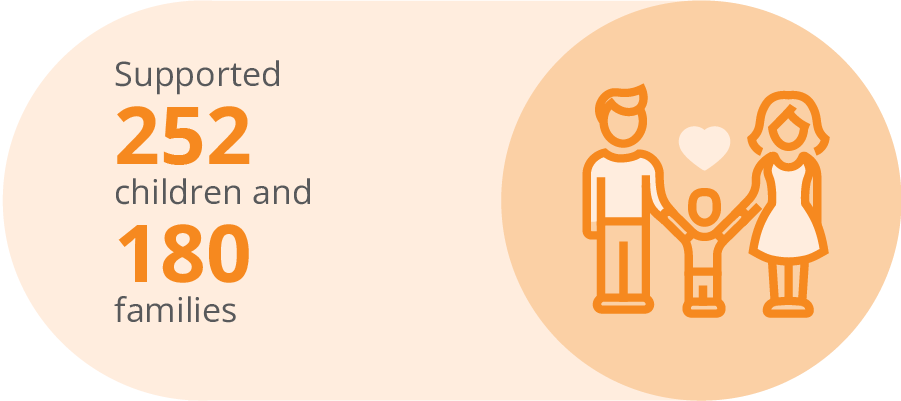
The introduction of the Drouin South Holiday Program demonstrated the value of strong relationships with schools, families and local communities. Following 18 months of engagement with the school, the program was approved and launched in response to local need. Early feedback from families highlighted the importance of the service and the difference it makes during school holiday periods.
Together, these outcomes reflect how capable educators, collaborative teams and trusted community partnerships help create positive experiences for children and families.

We continued to strengthen our commitment to inclusion, accessibility and cultural safety through practical changes across policy, learning, technology and workplace culture.
A significant milestone was the endorsement of our Reflect Reconciliation Action Plan by Reconciliation Australia. We also introduced cultural and ceremonial leave options to support employee cultural commitments and embedded days of significance into internal events and communications.
Accessibility also improved through initiatives such as the Recite Me toolbar and the Personal Emergency Evacuation Plan process, helping create a more inclusive experience for our employees, those we support and visitors. Welcoming & Inclusion (W&I) Allies initiatives further encouraged visible allyship through Indigenous polos, inclusive lanyards and pronoun resources.
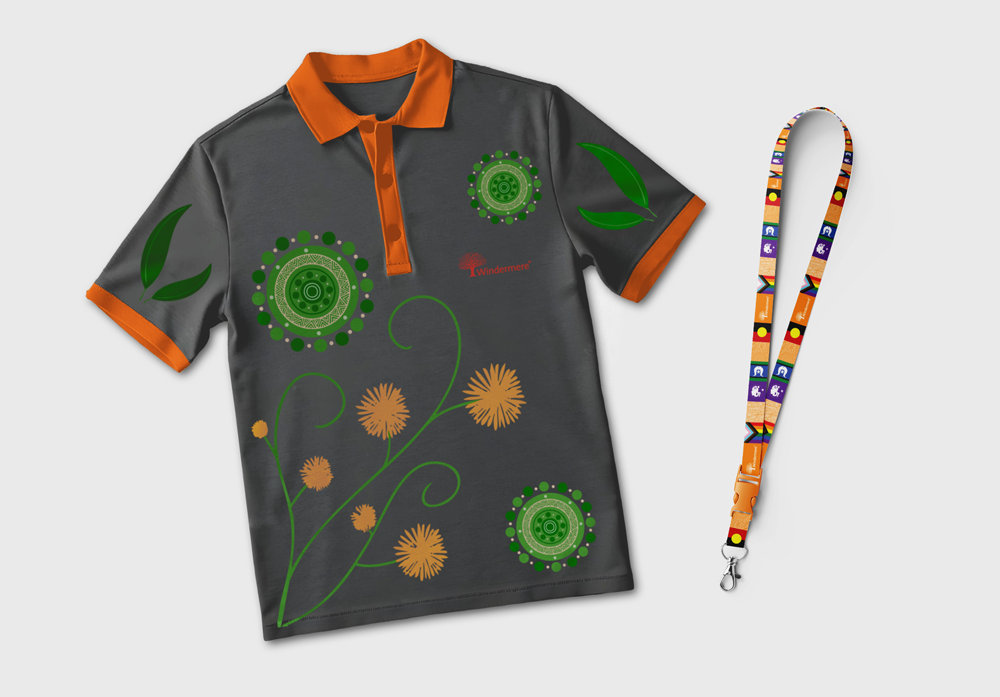
Employee survey findings showed strong confidence in our commitment to diversity, equity and inclusion, while also identifying opportunities to strengthen connection, career development and the everyday experience of inclusion.
Together, these initiatives helped build a more inclusive, accessible and culturally safe environment where employees, the individuals and families we support and our communities feel valued, respected and connected.

Donations

Raised
Malcolm Bailey (Chair)
Kelly Dickson (Vice Chair)
David D’aquino (Treasurer)
Gary Castricum
Emma King OAM
Dr Janine Pickering
Elke Gjergja
Yusra Neeamuth
Mark Findlay
David D’aquino (Chair)
John Thwaites
Mark Grouios
Nelson Muringa (Resigned Feb 2026)
Madan Patel
Mahesh Silva
Yusra Neeamuth
Brett Arthur
Stephen Byrnes
Stephen Ratcliffe

 Our significant donors and supporters
With grateful thanks
Carl Strachan OAM
The Russell Foundation
Bainbridge Family Trust
The Andrews Foundation
Mutual Trust Foundation
Ducas Paul Foundation
Black Family Charitable Trust
Don Moyes
Carl Strachan OAM
David Parkin OAM
Matthew Richardson

















Windermere maintained a sound financial position in FY2025–26 while continuing to deliver high-quality services to individuals, families and communities. Despite a lower operating surplus compared with the previous year, we remained focused on responsible financial management and long-term sustainability.
Significant progress was made on our CRM project, with a full scope go-live expected in March 2027. This investment will strengthen our operational capabilities and support more seamless interactions between consumers and staff.
As we navigate an evolving service landscape, including tightening funding environment and uncertainty surrounding NDIS reforms, our commitment remains to delivering quality services and investing responsibly in our people, systems and infrastructure to meet the changing needs of our communities.

Windermere offices are located at a number of sites across South Eastern Victoria.
Contact us for more details:
Phone: 1300 946 337 • info@windermere.org.au